
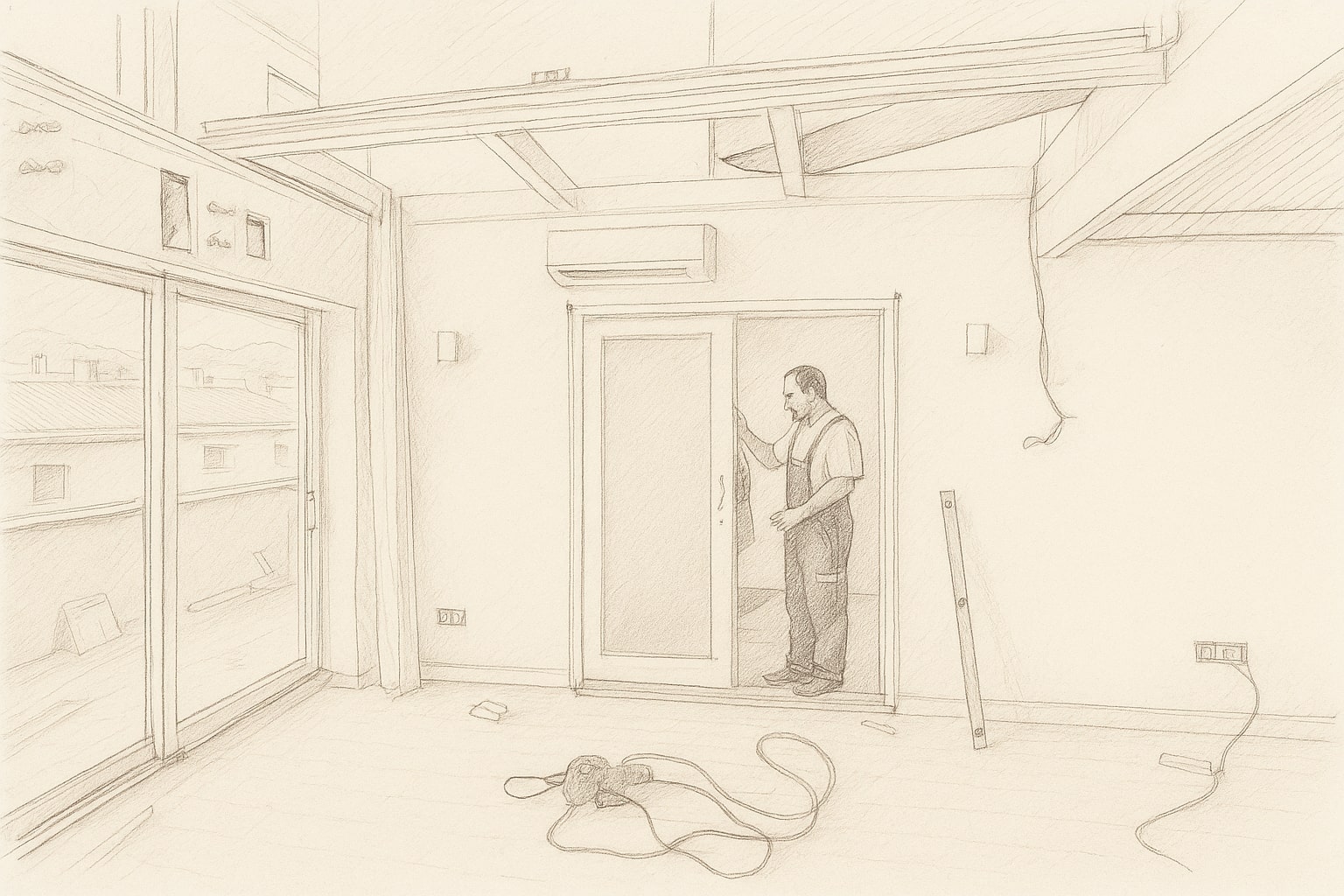
Have you ever heard of someone turning part of a hallway or a shared laundry room into an apartment? 🛠️ While it may seem like a clever use of space, this kind of conversion involves strict legal procedures in Serbia—and skipping them can lead to serious consequences.
This article explains how converting a common area into a private residential unit works, what legal steps are required, and why this matters when buying or selling property.
What Are Common Areas and Can They Be Converted into Living Space?
In Serbia, common areas of a residential building—such as hallways, basements, attics, or laundry rooms—are co-owned by all apartment owners.
While Serbian law allows decisions on the disposal of common areas through the building’s decision-making process, when a shared area is permanently converted into a private unit, the safest approach is to obtain the consent of all owners, along with meeting all other legal and technical requirements.
- Compliance with urban planning standards (e.g., ceiling height, natural light, ventilation)
- Building permits for any structural work
- Updated occupancy permit reflecting the new use
- Registration in the Real Estate Cadastre as an independent unit
🔍 In countries like the U.S. or U.K., this would usually be handled through ownership or building-management rules. In Serbia, full owner consent remains the safest approach when a common area is permanently removed from shared use and transferred to one unit.
Why Is This Important for Buyers and Sellers?
📄 If you’re buying a property that includes former common space, it’s essential to verify whether everything is legally documented. Here’s why:
| Risk | Explanation |
|---|---|
| ❌ Unclear legal status | The added space may not be officially yours if not properly registered. |
| ⚖️ Legal disputes | Co-owners can sue, and courts often rule in their favor. |
| 💸 Financial loss | You could lose the space and pay to restore it to its original condition. |
💡 Any part of the property not reflected in the cadastre is at risk of being challenged.
How to Check the Legal Status of the Space
✅ Ask for the cadastre extract (vlasnički list) – The enlarged space should be listed as part of the unit.
✅ Confirm written approval from the building’s residents – Without it, the area remains communal property.
✅ Review building and occupancy permits – These show whether the change was legally executed.
Practical Example
Suppose you’re buying an apartment that includes part of a hallway. Ask for the ownership record that proves this part is legally part of the apartment. If it’s not listed, walk away or wait until the issue is resolved.
What Happens if the Space Isn’t Legalized?
If the change was made without proper documentation:
- 🧾 You may not be able to register the apartment properly
- ⚖️ Co-owners may file lawsuits to reclaim the space
- ❌ You risk losing part of what you thought you owned
📢 “Better safe than sorry!” Always consult a legal or real estate professional before buying or selling such properties.
Conclusion: Get Professional Help and Avoid Costly Mistakes
If you’re considering buying or selling a unit that includes former common space, legal security is essential. Licensed real estate agents and attorneys can help verify all documentation and ensure your transaction is solid.
🔑 Legalization protects your investment and peace of mind—not just your compliance.
🛡️ Hiring professionals helps you avoid expensive mistakes and legal issues.


