
Property ownership isn’t just a legal concept – it’s a fundamental step in securing any real estate transaction. Whether you’re buying, selling, or renting a home, understanding how ownership is acquired protects you from legal surprises, financial loss, and potential fraud.
In this guide, we’ll break down what ownership really means, how it’s established under Serbian law, and how these rules compare to property systems in English-speaking countries. 🧭
What Does Ownership Mean? 🏠
In legal terms, ownership (right of ownership) grants the holder the broadest possible rights over a property:
- Possession – physically controlling the property.
- Use – living in it, renting it out, or otherwise utilizing it legally.
- Disposition – selling, gifting, or transferring ownership to someone else.
In Serbia, this is known as pravo svojine – and it is strongly protected by law.
✅ Ownership gives you full legal control over a property – including holding, using, and transferring it.
In common law systems (e.g. the UK, US, Canada), ownership is referred to as “freehold title” when the owner holds full and indefinite rights to the property, subject only to government regulation (zoning, taxes, etc.).
How Is Ownership Acquired? 🔐
There are four main ways to acquire ownership in Serbia, each with legal consequences:
1. Acquisition by Law (Statutory Ownership)
This happens automatically in certain situations, without needing a separate legal contract.
Example: Spouses jointly become owners of property acquired during the marriage, even if only one spouse signed the purchase contract.
2. Acquisition by Legal Transaction (Contractual Ownership)
The most common method in real estate – through a valid legal document like a purchase agreement.
Example: You buy an apartment and, after registering the transfer in the cadastre, you officially become the owner.
In English-speaking systems, this would be a real estate closing, where the buyer signs a deed and it is recorded in a land registry or county recorder’s office.
3. Inheritance
Ownership is passed to heirs upon the death of the previous owner, based on a will or intestate succession law.
Example: A child inherits a family house after the parent’s death, either through a will or by default rules.
4. Government Decision
A state authority may assign ownership via a ruling or restitution.
Example: Land returned to families as part of post-communist restitution processes.
📌 These are all recognized under Serbian property law, whereas in common law systems the terminology and procedures differ (e.g. probate, title deeds, etc.).
Original vs. Derivative Acquisition
- Original acquisition occurs independently of previous ownership (e.g., building on your own land).
- Derivative acquisition depends on a valid transfer from a previous owner.
To lawfully acquire ownership derivatively, the following are required:
| Condition | What It Means |
|---|---|
| Valid previous owner | The seller must be the legal owner |
| Legal basis | There must be a valid contract or ruling |
| Registration in cadastre | Ownership must be officially recorded |
🛡️ Without registration, you’re not legally protected – even if you’ve paid and moved in.
In English-speaking countries, this process is known as conveyancing, and the ownership change becomes effective upon recording the deed at a local registry.
Why Registration Matters in Serbia 🗂️
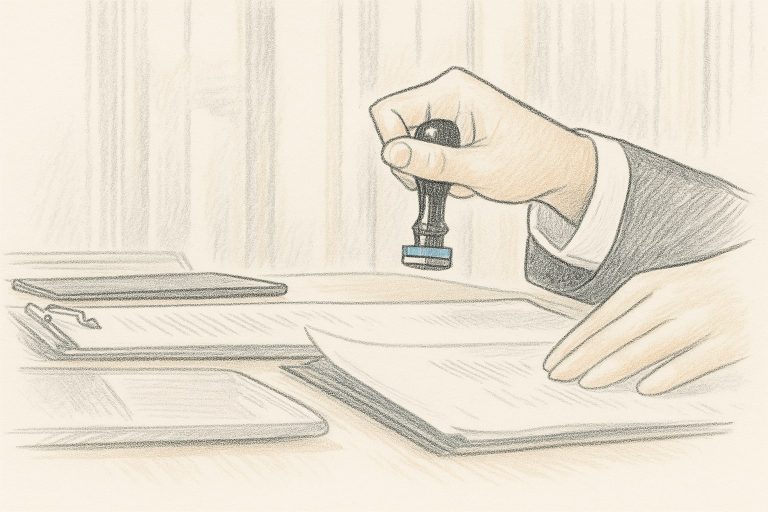
The Real Estate Cadastre (katastar) is the public register where ownership is officially documented. A purchase contract alone does not make you the legal owner.
Example:
Ana buys an apartment and signs a contract, but never registers it. The previous owner then sells it again to someone else. Because Ana never registered her ownership, she has little legal protection.
📌 Without registration in the cadastre, you are not the legal owner – no matter what the contract says.
Why Is Understanding Ownership Important for Buyers, Sellers, and Renters?
🏡 Buyers
Buying real estate is a major financial decision. Knowing how ownership is established ensures you’re not just paying for a home – but legally owning it.
🧾 Sellers
Before selling, confirm your title is properly registered. Without it, you cannot legally transfer the property to the buyer.
📑 Renters
You don’t become an owner by renting, but you should verify that your landlord is the legal owner to avoid fraud.
🔎 Tenants should confirm they are renting from the legal owner – avoid scams!
In the U.S., tenants often ask for a copy of the deed or verify ownership through public databases.
Key Tips for a Safe Property Transaction 🧠
✅ Verify Title: Make sure the property is registered in the seller’s name.
✅ Get Expert Help: Consult a real estate agent or attorney to avoid legal traps.
✅ Register Immediately: After signing the purchase contract, register your ownership in the cadastre.
✅ Understand the Basics: Knowing your rights empowers you in negotiations and protects your investment.
Final Thoughts: Knowledge Is Your Best Protection 🔐
Understanding how ownership works is not just for lawyers – it’s essential for anyone buying, selling, or leasing property. With this knowledge, you can make smarter decisions and avoid costly mistakes.
💬 Hiring a real estate professional can save you time, money, and stress in the ownership process.
Whether you’re navigating Serbia’s katastar or a U.S. county clerk’s office, expert guidance is your best investment.
✨ A secure property transaction starts with clear knowledge of ownership rules. ✨