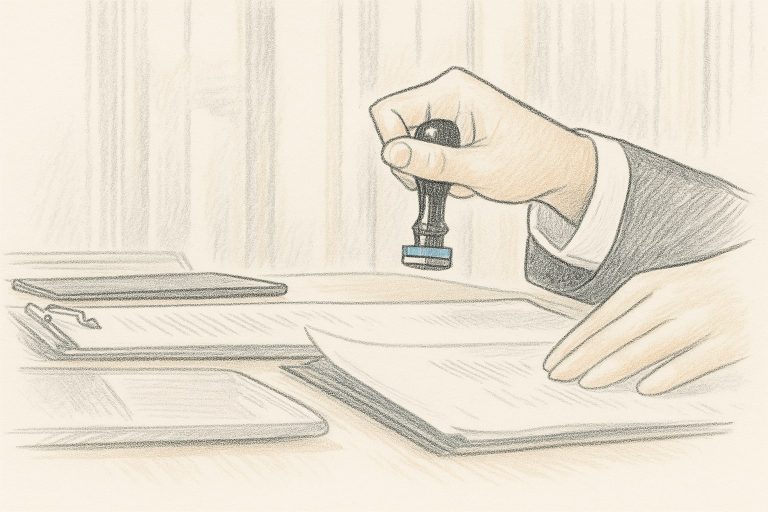
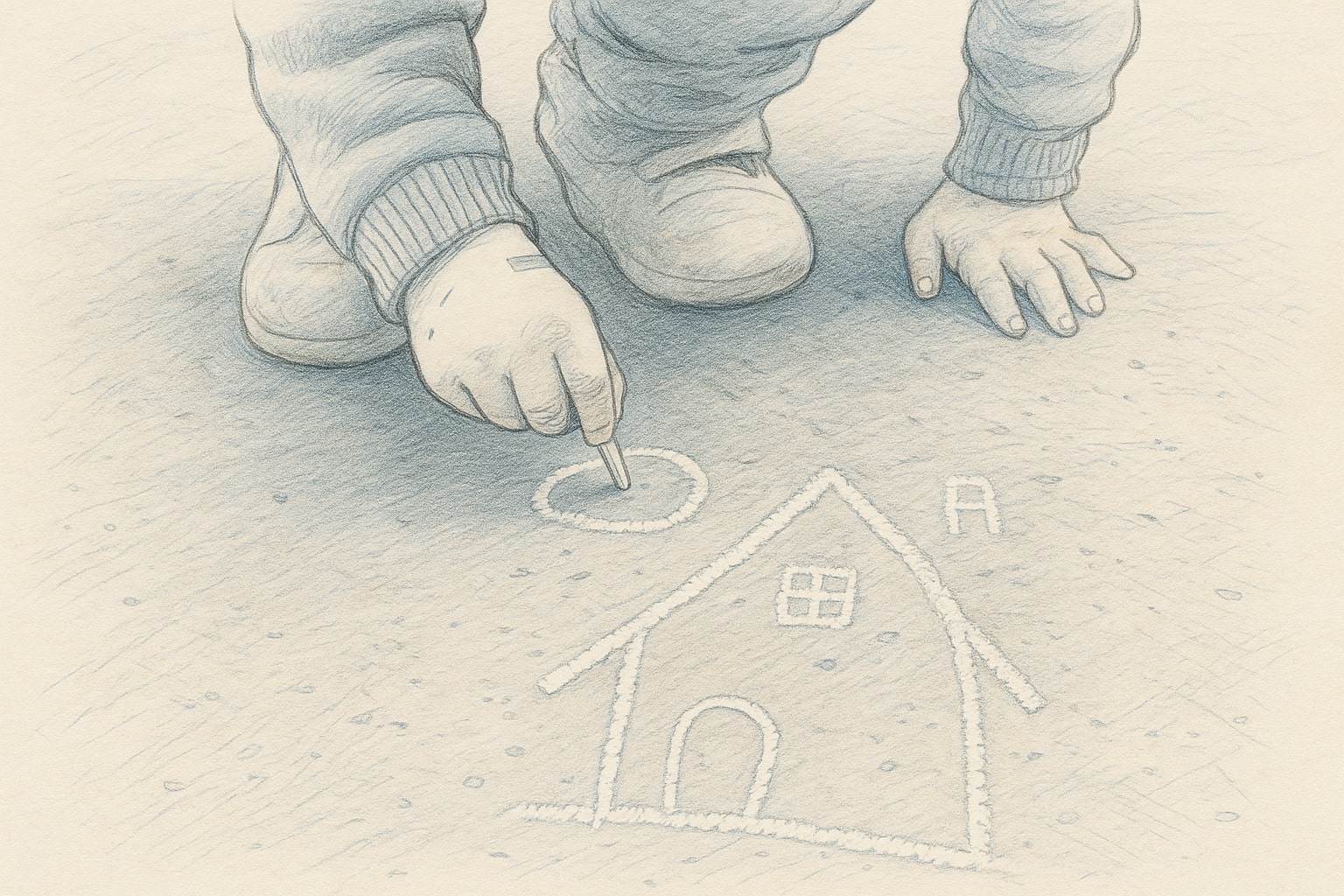
When buying, selling, or renting property, one of the most important questions to ask is whether a minor is among the property owners or beneficiaries. 🧑🏡 Why? Because the law sets special conditions for managing and disposing of property owned by minors to protect their rights and interests.
In this article, we explain the legal framework for property transactions involving minors, offering practical tips and real-life examples to help you avoid common pitfalls. We’ll also clarify how minors can come to own real estate in the first place.
What Is a “Minor” and How Does That Affect Property Transactions?
A minor is any person under the age of 18. However, Serbian law distinguishes between:
- Younger minors (under 14)
- Older minors (14 to 18)
This distinction matters because their capacity to enter into legal transactions varies:
- Children under 14 can only engage in legal actions that are:
- Entirely beneficial (e.g., accepting a gift),
- Of minimal legal or financial significance (e.g., buying a snack).
- Teens between 14 and 18 can perform a broader range of legal actions, but parental consent or approval by the social welfare center is required for serious matters like selling real estate.
⚠️ In Serbia, selling property owned by a minor without prior approval from the Social Welfare Center can result in the contract being declared void.
How Can a Minor Own Real Estate?
While minors cannot legally conduct real estate transactions themselves, they can own property under several circumstances:
- Inheritance: The most common way minors become property owners—through wills or intestate succession.
- Gifts: Real estate can be gifted to a minor by parents or relatives. In such cases, parents act as legal custodians until the child reaches adulthood.
- Purchase in their name: Parents may buy real estate in their child’s name using their own funds. In Serbia, this does not require approval from the Social Welfare Center, unlike in some other countries.
- Personal earnings: In rare cases, minors aged 15+ may acquire property with income from work, but restrictions still apply.
🧑⚖️ Inheritance, gifting, and parental purchase are the most common legal ways minors acquire property.
Can a Minor Sell or Buy Property?
Selling property owned by a minor always requires approval from the Serbian Social Welfare Center. This approval ensures the transaction serves the child’s best interests. Without it, the contract is invalid and may lead to costly legal issues.
Buying property in a minor’s name is less complicated—if the funds come from the parents, no approval is needed. In this case, the parents act as the minor’s legal representatives, and the transaction is notarized in the form of a solemnized deed (a notarized document with enhanced legal force). However, if the child’s own funds (e.g., inherited money) are used, approval is again required.
🏠 Parents can buy property in their child’s name without prior approval, but only if using their own funds.
A Real-Life Example: What Can Go Wrong?
Imagine this: A family wants to sell an apartment partially owned by their 13-year-old child. They agree on a price with the buyer and sign a preliminary contract. Later, they realize the transaction cannot be finalized without the Social Welfare Center’s approval—delaying the process or even leading to its cancellation.
🚨 Lesson learned: Always check the property title and involve a legal professional early in the process.
What to Do If You’re Buying or Renting from a Minor?
If you’re a buyer or tenant, follow these steps:
- Check the title deed: If a minor is listed as an owner, request more information and necessary approvals.
- Secure all permits: Do not sign a contract before verifying that consent from the guardianship authority is obtained.
- Hire a legal advisor: A real estate attorney or licensed agent will guide you and prevent costly mistakes.
💡 Advice for parents: If you’re planning to sell or lease property owned by your child, prepare all documentation in advance and contact the Social Welfare Center early.
Conclusion: A Safe and Smooth Transaction
When dealing with property owned by minors, the most important steps are verifying documentation and securing the necessary legal approvals. These safeguards are not meant to complicate your life but to protect the rights of minors—the most vulnerable members of society. 👶🏡
Hiring a real estate professional can save you time, money, and stress. If you’re unsure about the next steps, reach out to an expert—it’s the smartest way to ensure everything is legally sound. 😊
Planning to buy, sell, or rent real estate? Do it with confidence—and a smile!