Have you ever come across the term life care contract and thought, “What even is that?” In Serbia, it’s a specific legal arrangement — commonly used between elderly individuals and someone willing to provide care — where the caregiver receives ownership of a property, but only after the elder passes away.
If you’re planning to buy or rent property in Serbia, understanding this agreement is essential because it can directly affect whether the property is available for sale or use.
🧓 What is a Life Care Contract and Why Do People Sign It?
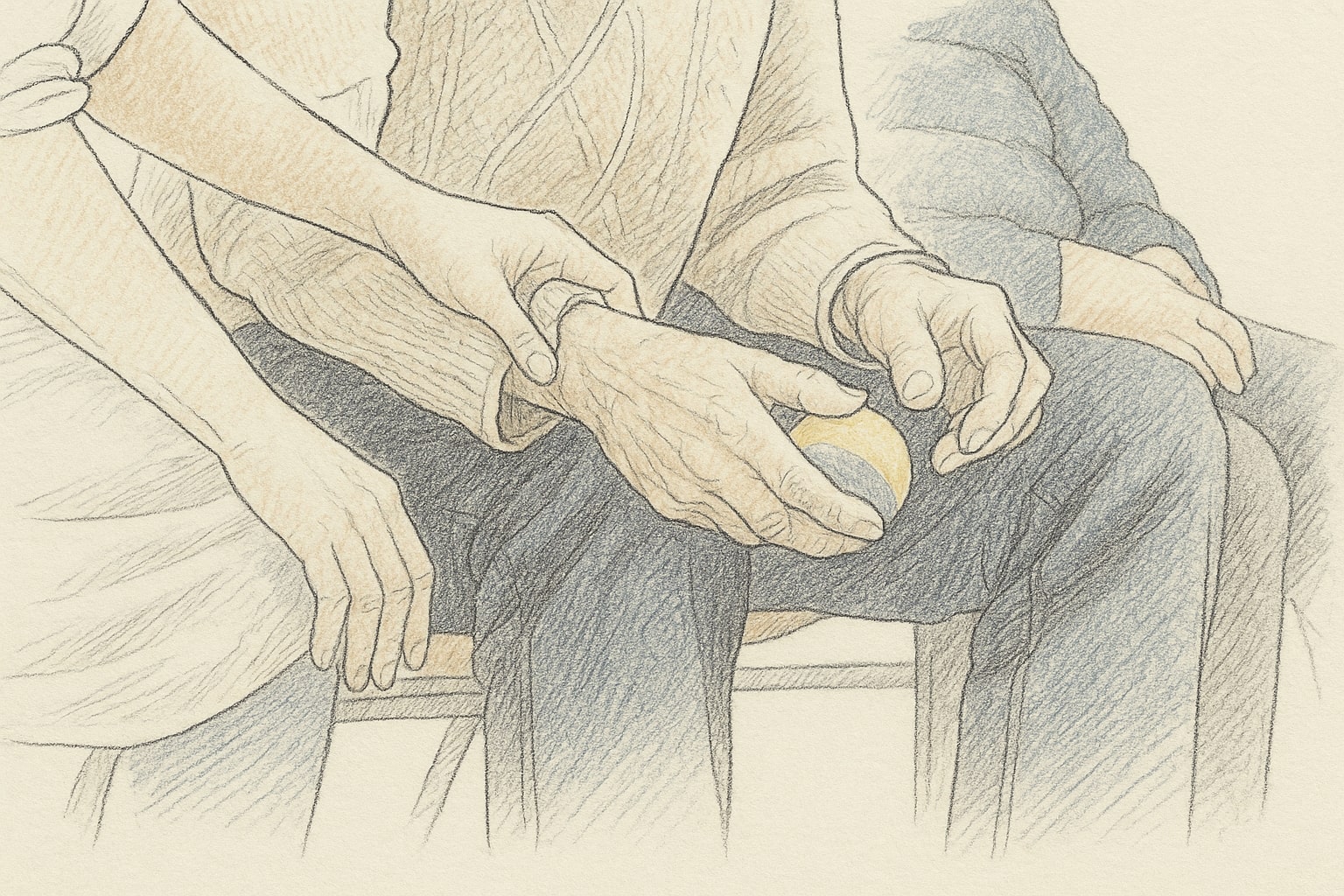
Imagine this scenario: Grandma Milica lives alone and owns an apartment. She needs help with groceries, medical appointments, and companionship. Marko, her neighbor, is willing to assist but would like some security in return for his care.
So, they sign a life care contract (ugovor o doživotnom izdržavanju). Marko commits to looking after Milica for the rest of her life. In return, she agrees that he will inherit her apartment — but only after her death.
🎯 Key Difference from Anglo-American Legal Systems:
In the US or UK, this would typically be handled through a life estate, living trust, or gift with a retained life interest. However, in Serbia, this is formalized as a reciprocal contract with legally binding obligations for both parties.
🛠️ What Does “Care” Actually Include?
The Serbian term izdržavanje sounds formal, but it simply means providing day-to-day support. Depending on the agreement, it might include:
- 🍲 Food and household support: Groceries, cooking, cleaning
- 💊 Medical assistance: Doctor visits, medication pickup, or even paid nursing care
- 💡 Bills and home maintenance: Ensuring the home remains safe and livable
- 🤗 Companionship: Sometimes the most important element is just being there
The level of care is flexible and defined by mutual agreement.
🏠 What Property Can Be Included in This Contract?
Usually, the contract involves real estate (an apartment, house, or land). But it may also include:
- A car
- Bank savings
- Jewelry or other valuable assets
🛑 Important: Ownership does not transfer immediately. The property stays with the care recipient (e.g., Grandma Milica) until her death. She remains the legal owner and cannot be evicted or overridden by the caregiver.
📝 How Is a Life Care Contract Made?
- Contract Preparation
Both parties agree on:- Type of care expected
- Property to be transferred
- Any other terms (e.g., frequency of visits, financial support)
- Notarization
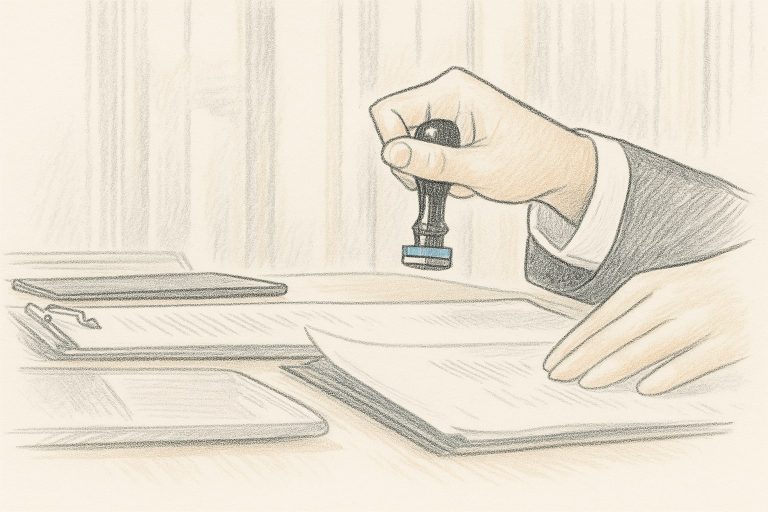
The contract must be notarized (signed before a public notary), who will:- Read the contract aloud
- Explain the consequences to both sides
- Confirm that both parties understand and agree
- The property will not be part of the estate
- Heirs cannot claim a mandatory share of that property
- Land Registry Entry (Real Estate Cadastre)
After notarization, the contract must be recorded in the cadastre (Serbian public land registry). This entry provides legal certainty that:- The property is encumbered by a life care agreement
- It cannot be sold, mortgaged, or rented freely
📌 Unlike in common law countries, where property transfers often involve private trusts, Serbia uses public registries to protect both parties in such contracts.
🔍 Why This Matters When Buying or Selling Property
A property under a life care contract is not part of the deceased’s estate. That means:
- ✅ Heirs (children, spouses) cannot claim a share, even if they would normally be entitled to it under inheritance laws.
- 🚫 The property cannot be sold or rented out freely while the care recipient is still alive.
- 🏷️ A buyer risks invalidating the purchase if the property is sold despite the active life care contract.
🔍 Always check the Real Estate Cadastre (katastar) for a note like “zabeležba prava izdržavanja” – which means the property is under a life care agreement.
👀 What Can Go Wrong?
Let’s say you want to buy an apartment. The seller claims full ownership. But you discover a registered life care contract in the cadastre. Here’s what could happen:
- You buy the property, but the elderly care recipient still has the legal right to live there until death.
- If the caregiver fails to uphold their end of the bargain, the contract can be terminated – complicating ownership.
- The sale could be challenged in court by heirs or the care recipient themselves.
🧨 No due diligence = legal trouble later. Always verify with a lawyer and a notary.
🏡 What About Renting a Property Under a Life Care Contract?
- The care recipient has residential rights – even if someone else tries to rent the property.
- The caregiver cannot lease the property without their approval.
- If the care recipient dies during the lease, the caregiver (now the new owner) may change the rental terms or terminate the lease.
✅ What You Should Do
If you’re buying property:
🔎 Check the land registry for any notes regarding a life care contract.
If you’re selling property:
🗣️ Be transparent with buyers about the legal status.
If you’re renting property:
🧾 Ask if a life care agreement exists and what rights the care recipient has.
🧠 A life care contract isn’t necessarily a dealbreaker – but it’s definitely a red flag that demands extra legal review.
👨💼 Why You Should Work with a Real Estate Agent
A registered life care contract can complicate ownership, sale, or rental. That’s why having an experienced real estate agent is not only helpful – it’s smart.
Here’s how they help:
✅ Understand legal implications and cadastre entries
✅ Spot risk factors in title history
✅ Advise on next steps (e.g., legal checks or notary consultation)
✅ Represent your interests in negotiations – whether you’re buying, selling, or renting
✅ Save you time, money, and avoid legal headaches
🤝 A good agent doesn’t just “sell square meters” – they protect your peace of mind.
📌 Always review the legal status of any property before making a decision. A life care contract is not a barrier — but it is a legal commitment you need to fully understand.