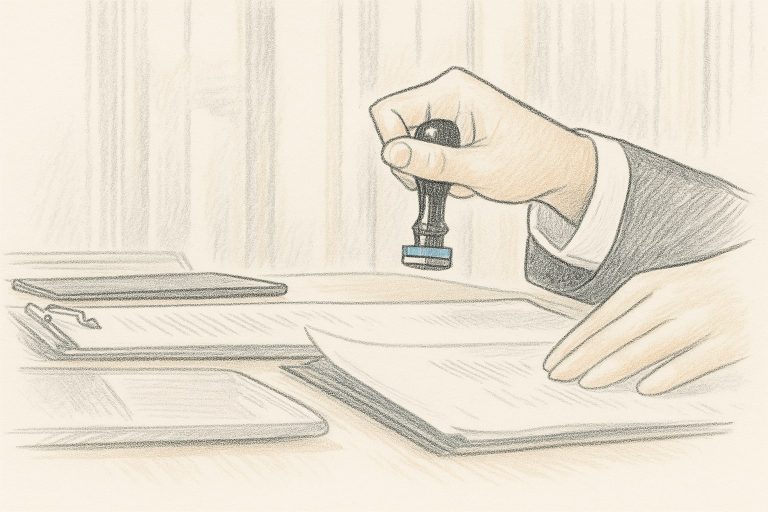
🏡 A lease agreement is a legally binding contract where the landlord (lessor) grants the tenant (lessee) the right to use a property for a specified period, in exchange for rent.
Why is this important?
✅ It protects the rights of both parties – landlord and tenant.
✅ It defines obligations clearly and prevents misunderstandings.
✅ It provides legal certainty during property rental or even resale.
💡 A well-drafted lease agreement avoids complications – everything is set in advance!
What Are the Key Components of a Lease Agreement?
📌 1. Description of the Property
🏘️ A clear and detailed description of the leased property: address, size, condition, and furnishings.
Example: “Fully furnished 1-bedroom apartment, 55m², located in central Belgrade.”
📌 2. Rent (Lease Payment)
💰 The rent amount, payment method, and due date (monthly, quarterly, in advance, etc.).
Example: “€500 monthly rent, payable to the landlord’s account by the 5th of each month.”
📌 3. Duration of the Lease
⏳ Can be fixed-term (e.g., 12 months) or open-ended (month-to-month).
Example: “Lease term is 12 months, starting from August 1st, 2025.”
📌 4. Rights and Obligations of Both Parties
The agreement should define responsibilities in detail—maintenance, usage, return condition.
💡 Clear terms = peaceful tenancy. Everyone knows their duties in advance!
Landlord’s Obligations
🏠 Property Delivery
The landlord must hand over the property in habitable and clean condition.
Example: “The apartment must be ready for occupancy on the signing date.”
🛠️ Maintenance
The landlord is responsible for major repairs, not caused by normal wear and tear (e.g., faulty plumbing).
🔍 Hidden Defects
If there are defects not disclosed upfront (e.g., a broken water heater), the landlord must repair them or offer a rent reduction.
💡 The landlord must ensure the property is functional and safe to use.
Tenant’s Obligations
💸 Timely Rent Payments
The tenant must pay rent as agreed and on time.
🧹 Day-to-Day Maintenance
Tenants are responsible for minor upkeep like replacing light bulbs or fixing small cosmetic damages.
Example: “Tenant covers costs for repainting scuffed walls.”
🏡 Returning the Property
The property must be returned in the same condition, excluding normal wear and tear.
💡 Tenants should treat the home with care – like a responsible guest.
What Is Subletting and Is It Allowed?
🔄 Subletting means the tenant rents part or all of the property to another person.
📌 Important: Subletting is only allowed if not explicitly prohibited in the original lease agreement.
Practical Example:
Ana rented a commercial space, but didn’t need all of it. With the landlord’s written consent, she sublet a portion and reduced her rental expenses.
How Can a Lease Agreement End?
⏱️ Expiry of the Term
If the lease term ends and the tenant stays without objection from the landlord, the lease may convert into a periodic tenancy (open-ended).
📅 Termination by Notice
Open-ended leases can be terminated by either party, with proper notice (commonly 30 days).
🔥 Force Majeure or Property Destruction
If the property becomes uninhabitable (e.g., fire), the lease ends automatically.
💡 A clear lease ensures protection even in unforeseen situations.
Why Is a Lease Agreement Useful for Both Parties?
For the Landlord
- Rent Security:
💸 Guarantees regular income. If rent is unpaid, the contract supports legal claims. Example: If a tenant stops paying, the landlord can terminate the lease and seek payment in court. - Maintenance Clarity:
🔧 Specifies tenant vs. landlord duties, avoiding cost disputes. - Legal Protection:
🛡️ Prevents unauthorized use or subletting. Breach of terms allows termination. - Future Planning:
📅 For fixed-term leases, landlords can plan resale, renovation, or personal use after expiry.
💡 A solid lease ensures the property is used properly and income remains consistent.
For the Tenant
- Legal Right to Occupy:
🔒 The lease protects the tenant’s right to use the property—even if the landlord sells it. Example: If the property is sold, the new owner must respect the active lease. - Defined Responsibilities:
🛠️ Tenants know exactly what they’re responsible for—no surprise expenses. - Rent Stability:
💰 The lease fixes the rent amount and terms for changes, offering financial predictability. - Legal Backup in Disputes:
⚖️ If the landlord violates the lease (e.g., demands early move-out), tenants can legally resist eviction.
💡 A lease gives tenants peace of mind—they know what they pay, how long they stay, and what to expect.
How Does a Lease Impact Property Sales?
Practical Example:
Jelena found her dream apartment downtown, but later discovered it had an active long-term lease with three years remaining. Due to tenant protection laws in Serbia, she couldn’t move in or renovate until the lease expired.
✅ Lesson: Without reviewing the lease status, Jelena could’ve bought an apartment she couldn’t use immediately.
🔚 Conclusion
A lease agreement is essential for both landlords and tenants—it’s not just a formality, but a legal tool for security and clarity.
✅ For landlords, it ensures steady income, legal control, and asset protection.
✅ For tenants, it offers rights, stability, and defense against misuse or arbitrary changes.
📢 With a clear, legally compliant lease, both parties can enjoy a smooth, professional rental relationship!
🔑 Whether you’re renting, leasing, or buying a property—working with a legal expert or real estate professional ensures your interests are fully protected. A properly drafted lease is a smart move for everyone involved.