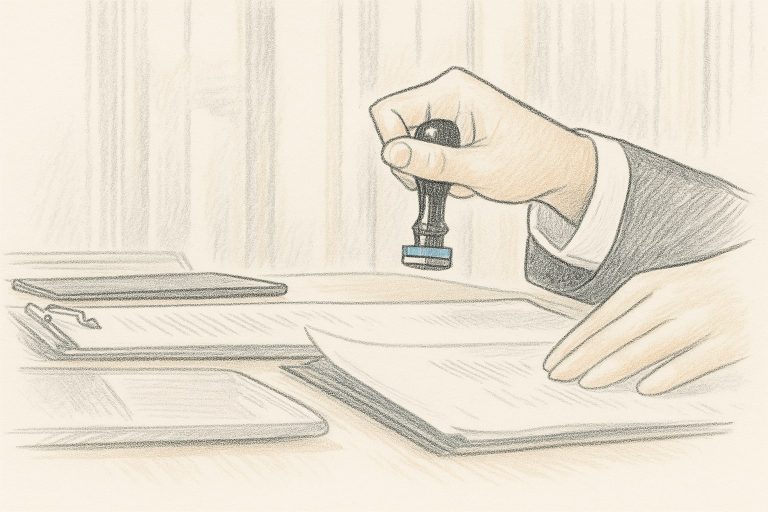
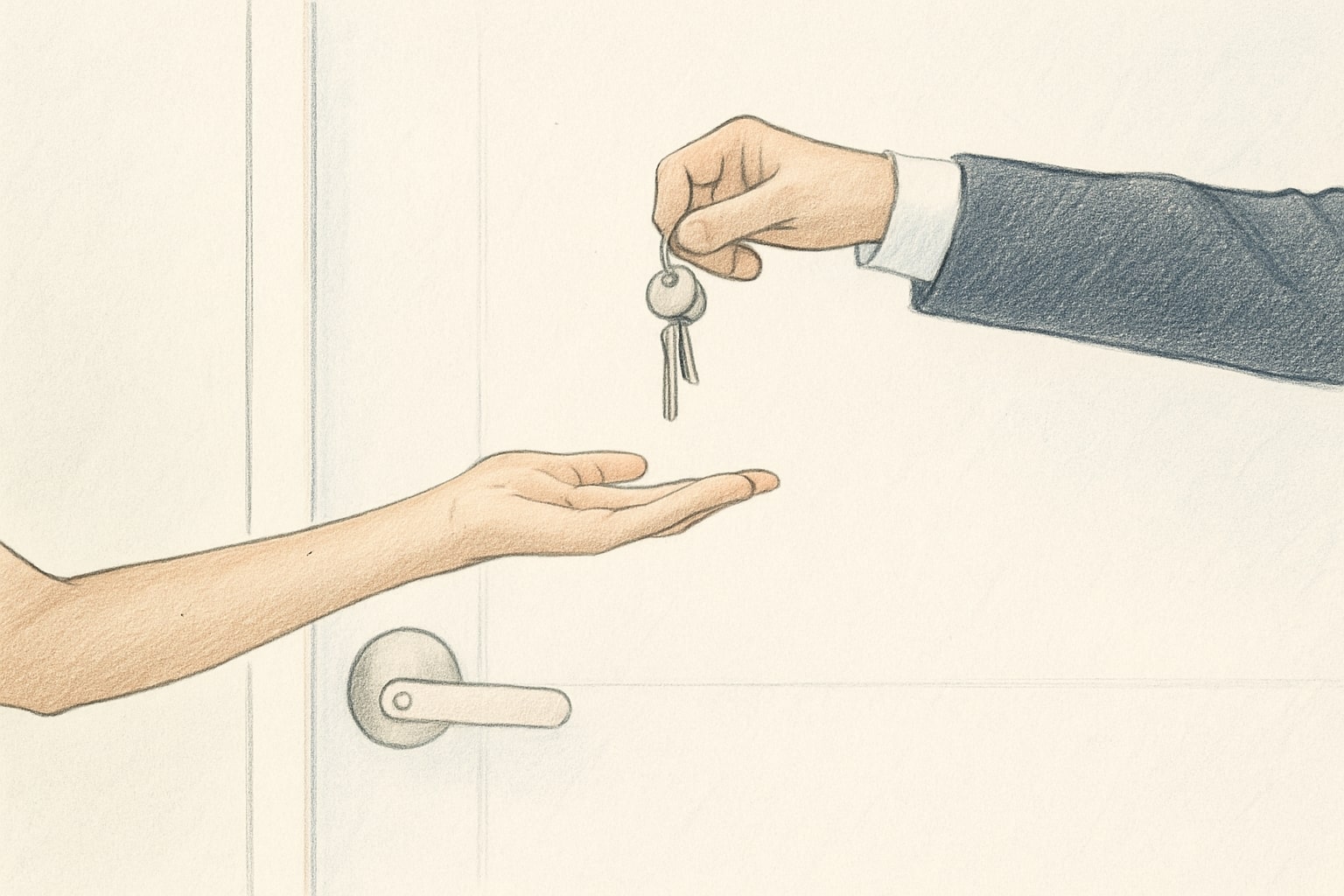
In real estate transactions, the handover of possession—the moment when the buyer receives the keys and takes physical control of the property—is more than just a symbolic gesture. It marks a crucial legal and practical turning point for both the buyer and the seller. In this article, we’ll explain what property handover entails, how it works under Serbian law, and how it compares to practices in English-speaking countries. 🏡
What Is a Property Handover? 🔑
In Serbian real estate law, the handover (predaja nepokretnosti or predaja poseda) refers to the transfer of actual possession of the property from the seller to the buyer. This typically occurs after:
- The purchase agreement is notarized, and
- The full purchase price is paid.
However, the handover may also include other aspects like:
- Ensuring the property is vacant,
- Removing the seller’s personal items,
- Settling utility bills, and
- Confirming the property’s condition.
🗝️ The moment you receive the keys is when you become the de facto possessor—and take on legal responsibility.
In English-speaking jurisdictions (like the UK or U.S.), this stage is commonly referred to as “closing” or “completion”. In some U.S. states, possession is transferred at closing; in others, it happens on a set possession date post-closing.
Seller’s Obligations at Handover 📦
For the seller, the handover marks the completion of their responsibilities—but only if the property is delivered in the agreed condition.
✅ Vacating the Property
The seller must remove all personal belongings not included in the sale and ensure the property is clean and free of damage.
Tip:
Create a written inventory of what stays and take photos of the rooms to avoid post-sale disputes.
📸 Photos and a handover report can protect you from future claims.
✅ Documentation
The seller must also provide:
- Paid utility bills,
- Warranty documents for built-in appliances (if applicable),
- All keys, remotes, and access devices.
🧾 Handover includes both the physical property and relevant documents or warranties.
🚩 What Can Go Wrong?
If the seller fails to deliver the property on time or in the promised condition, the buyer can:
- Claim damages, or
- Seek termination of the contract.
⚠️ Delays in handover can lead to legal and financial consequences for the seller.
Buyer’s Responsibilities After Handover 🏠
For the buyer, the handover means taking possession and responsibility.
✅ Inspect the Property
Buyers should confirm the property matches what was agreed upon:
- Are all systems and appliances working?
- Is the property free from damage?
Tip:
Arrange a joint inspection and complete a handover protocol with the seller, ideally with photo documentation.
✅ Assume Responsibility
From the moment the buyer receives the keys, they are responsible for:
- Paying utilities,
- Maintaining the property.
Tip: For security, change the locks immediately—unless they’re brand new.
🚩 Common Issues
Late delivery can cause logistical problems—especially if the buyer planned to move in immediately. Compensation can be sought for delays.
Best Practices for a Smooth Handover 📋
1. Define Clear Terms in the Contract
In the purchase agreement, clearly state:
- The handover date,
- The seller’s obligation to settle all utility bills and vacate the property.
2. Schedule a Formal Handover
The handover should be organized as a formal meeting. Bring a witness or involve a real estate agent or lawyer to oversee the process.
3. Verify Outstanding Obligations
Before accepting the property, confirm:
- All bills are paid,
- There are no legal encumbrances (e.g., mortgages, court disputes).
4. Get Legal Assistance
A real estate professional or attorney can ensure all steps are done correctly and help protect your legal rights.
👨⚖️ Legal professionals help make the process compliant, stress-free, and secure for both parties.
Final Thoughts: Handover Is the Key to a Successful Transaction 🔐
For the seller, handing over the property means completing the deal. For the buyer, it marks the beginning of ownership and responsibility. When handled properly, handover protects both parties and helps avoid misunderstandings or legal disputes.
✔️ A well-executed handover is essential for legal clarity and peace of mind.
Engaging a licensed real estate agent or property lawyer can simplify the process, ensuring all conditions are met and the transaction remains transparent and secure.
📩 Not sure how to organize a proper property handover? Contact us for legal and real estate support. 😊