
When discussing property transfers—especially in Serbia—you may hear about a “gift agreement” or “deed of gift.” But what does it actually mean, and why is it important to understand this type of legal arrangement?
In this blog, we’ll explain what a deed of gift is, how it works, and why it matters—particularly when real estate is involved.
What Is a Deed of Gift?
A deed of gift (in Serbian: ugovor o poklonu) is a legal contract through which one party (the donor) transfers ownership of real estate or another property to another party (the donee) without compensation. 🌟
This type of agreement is commonly used when:
- Parents want to transfer a home or apartment to their children,
- A relative or friend wants to give land or a house as a gift,
- Someone wants to resolve inheritance matters in advance.
Key legal facts:
- The donor must be of full legal capacity (i.e., an adult and mentally competent).
- The donee can be a minor or legally incapacitated individual (e.g., under guardianship), which makes this tool accessible in family arrangements.
💡 A deed of gift is a no-cost ownership transfer—but it comes with long-term legal consequences you should not overlook.
What Are the Essential Elements of a Gift Agreement? 📜
- Subject of the Gift
The property (house, apartment, land) must be clearly and precisely described. - Intent to Gift
The donor must explicitly express the intention to transfer ownership without compensation. This cannot be implied—it must be written in clear terms. - Formality Requirement
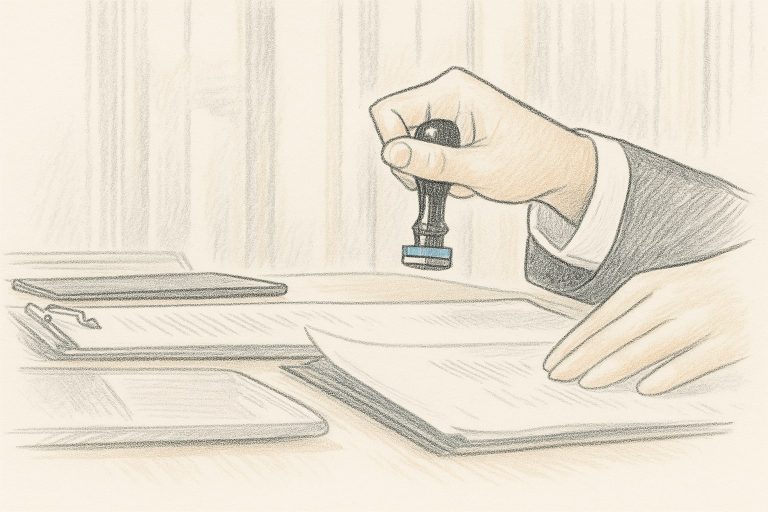
In Serbia, this agreement must be in writing and notarized. Without notarization, the contract has no legal validity.
🔏 Unlike some common law jurisdictions where informal gifts may be legally recognized under certain circumstances, in Serbia, a deed of gift without notarization is void.
When Can a Gift Be Challenged or Revoked? ⚠️
Although a gift may seem simple, there are situations where it can be legally reversed:
1. Revocation due to ingratitude
If the donee behaves abusively, seriously insults or harms the donor, the donor may initiate legal proceedings to revoke the gift.
2. Donor’s impoverishment
If the donor later lacks the means to meet basic living needs, they may request the return of the gifted property.
🛑 Real-life example: A parent gifts their home to their adult child. Years later, the parent falls ill and can’t afford medical care. They legally demand the return of the home to secure a place to live and necessary treatment.
🧠 Revocation is possible if the donor becomes destitute or if the donee acts with serious ingratitude.
Why Is This Important in Real Estate Transactions? 🏠
A deed of gift can impact ownership rights, and buyers, tenants, or heirs need to understand the risks involved.
⚠️ Property Sales
Before buying, check if the property was previously gifted. If so, and if conditions for revocation are met, the gift can be reversed—putting the new buyer at risk.
⚠️ Inheritance Disputes
Gifted properties are frequent causes of conflict among heirs, especially if the deed isn’t legally sound or properly recorded.
⚠️ Rental Agreements
Tenants should ensure the ownership is not under legal challenge due to a revocable gift.
📝 In Serbian practice, properties transferred as gifts are often subject to scrutiny. In contrast, in many Western countries, gifts of real estate must also follow formal title registration and tax protocols—but revocation due to “ingratitude” is generally not a legal basis for reversal.
How to Draft a Legally Valid Deed of Gift ✍️
Steps to follow:
- Hire a real estate attorney or notary
This ensures proper drafting and compliance with Serbian law. - Include all property details
Clearly describe the real estate, rights transferred, and any special conditions. - Notarize the document
This is mandatory under Serbian law to make it legally enforceable.
💡 Tip: Always anticipate potential complications. Verify cadastral data (title registry) to ensure the property is clear of liens or disputes before signing.
Final Thoughts: Why a Gift Agreement Should Be Taken Seriously 🌟
A deed of gift is more than a legal document—it’s often a symbol of trust, care, and legacy. But for it to serve its purpose, it must be drafted and recorded properly.
Whether you’re planning to gift real estate or considering buying or renting property that was previously gifted, consulting a real estate legal expert is essential. ✅
🏡 Gifted real estate may carry hidden legal risks—always verify title and ownership history before signing any contract.
👩⚖️ Our advice: Working with a real estate agent or attorney gives you the legal protection and insight needed to avoid disputes and ensure everything is in order.