
Joint ownership can complicate real estate transactions. Without understanding its legal implications, you risk delays—or worse, invalid contracts. In this blog post, we’ll explain what joint ownership means, why it matters, and how to safely complete a transaction involving this form of property ownership.
What Is Joint Ownership? 🤔
Joint ownership refers to shared ownership of a single, undivided property by two or more individuals, where individual shares are not physically divided or quantified. All co-owners (joint tenants or co-tenants) have equal rights and responsibilities over the entire property. This means:
- No individual can sell their share independently.
- All co-owners must agree jointly to sell or transfer the property.
🔑 Common examples of joint ownership include:
- Property acquired during a marriage or common-law partnership.
- Shared areas in residential buildings (e.g. stairwells, elevators, roof structures—though these are governed under condominium law and not subject to sale separately).
In Serbia, joint ownership arises by law, not by private agreement. You cannot simply choose to form joint ownership by contract.
Selling Property Held in Joint Ownership 🏡
If a property is jointly owned—especially by spouses—it can only be sold if both co-owners agree and sign the contract. Here’s what you need to know:
Example: Selling an Apartment Owned by Spouses
Ana and Marko bought an apartment while married. It is registered as joint marital property. To sell it:
- Both must sign the purchase agreement.
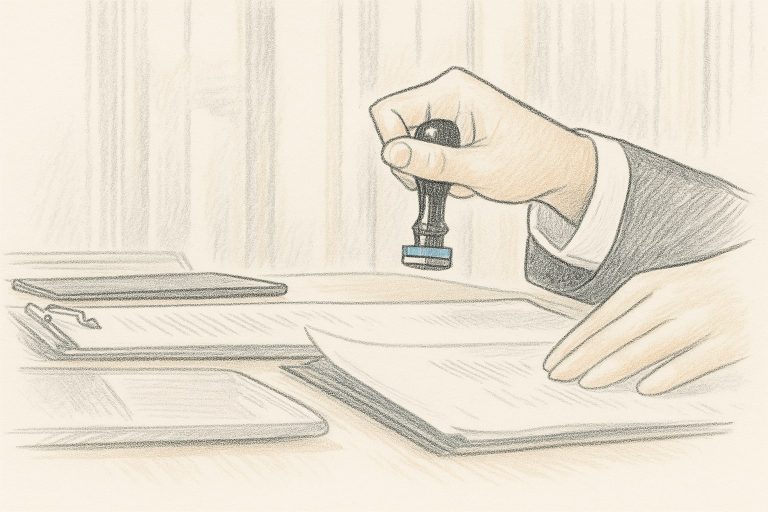
- Both must be physically present at the notary’s office for contract certification.
- The notary will verify the identity and consent of each spouse.
- Ownership records must confirm the property is indeed in joint ownership.
⚠️ If documentation is incomplete or unclear, the sale may be delayed until the ownership is properly established.
If one spouse is unavailable (e.g., living abroad), they can issue a notarized power of attorney to the other or a third party.
Even if the couple is separated or divorced, jointly owned property still requires both parties’ consent for a valid sale.
⚠️ A real estate transaction involving jointly owned property cannot be completed by only one co-owner.
Buying Property Under Joint Ownership 🔍
As a buyer, purchasing a jointly owned property requires caution and due diligence. Here’s what to do:
Example: Buying an Apartment from Joint Owners
Zoran wants to buy an apartment owned by Ivana and Nikola. The property is listed under joint ownership. Here’s what Zoran must do:
- Check ownership records in the Serbian Real Estate Cadastre to confirm joint ownership status.
- Ensure that both owners (Ivana and Nikola) sign the sale agreement.
- Confirm that there are no disputes over the property or unclear ownership (e.g., inheritance issues or divorce proceedings).
- Request documents proving ownership (purchase agreements, court rulings, or inheritance decisions).
⚠️ If only one co-owner signs the contract, the sale is legally invalid.
Before proceeding, also verify:
- Are there ongoing legal disputes?
- Is there a mortgage or lien registered on the property?
These could affect your rights and create financial or legal obligations.
Required Documentation 📄
Whether you’re the seller or the buyer, make sure you have:
- Land Registry Extract (Vlasnički list): Confirms ownership status and existing encumbrances (e.g. mortgages or legal proceedings).
- Consent from All Co-Owners: The seller must prove that all joint owners agree to the sale.
- Proof of Ownership: Such as a purchase agreement, court decision, inheritance certificate, or divorce ruling.
- Notarized Sale Agreement: Signed and certified in the presence of all joint owners or their legal representatives.
🔍 Always check for existing legal claims or liens before signing the sale contract.
Conclusion: Work with Professionals for a Secure Transaction 🧑💼
Joint ownership introduces legal complexity into real estate transactions. But with proper documentation review and legal support, you can avoid major setbacks.
Hiring a real estate agent can streamline your transaction:
- Verify legal status: Confirms joint ownership and ensures all required parties are involved.
- Prepare documents: Helps obtain ownership records and supporting paperwork for the notary.
- Coordinate communication: Facilitates negotiations between co-owners, buyers, and legal officials.
- Save time: Handles administrative tasks so you can focus on the big picture.
💡 Your peace of mind is priceless—let professionals guide you through every step of the process.
🧑💼 A trusted real estate agent can help you avoid legal pitfalls and speed up your transaction.