
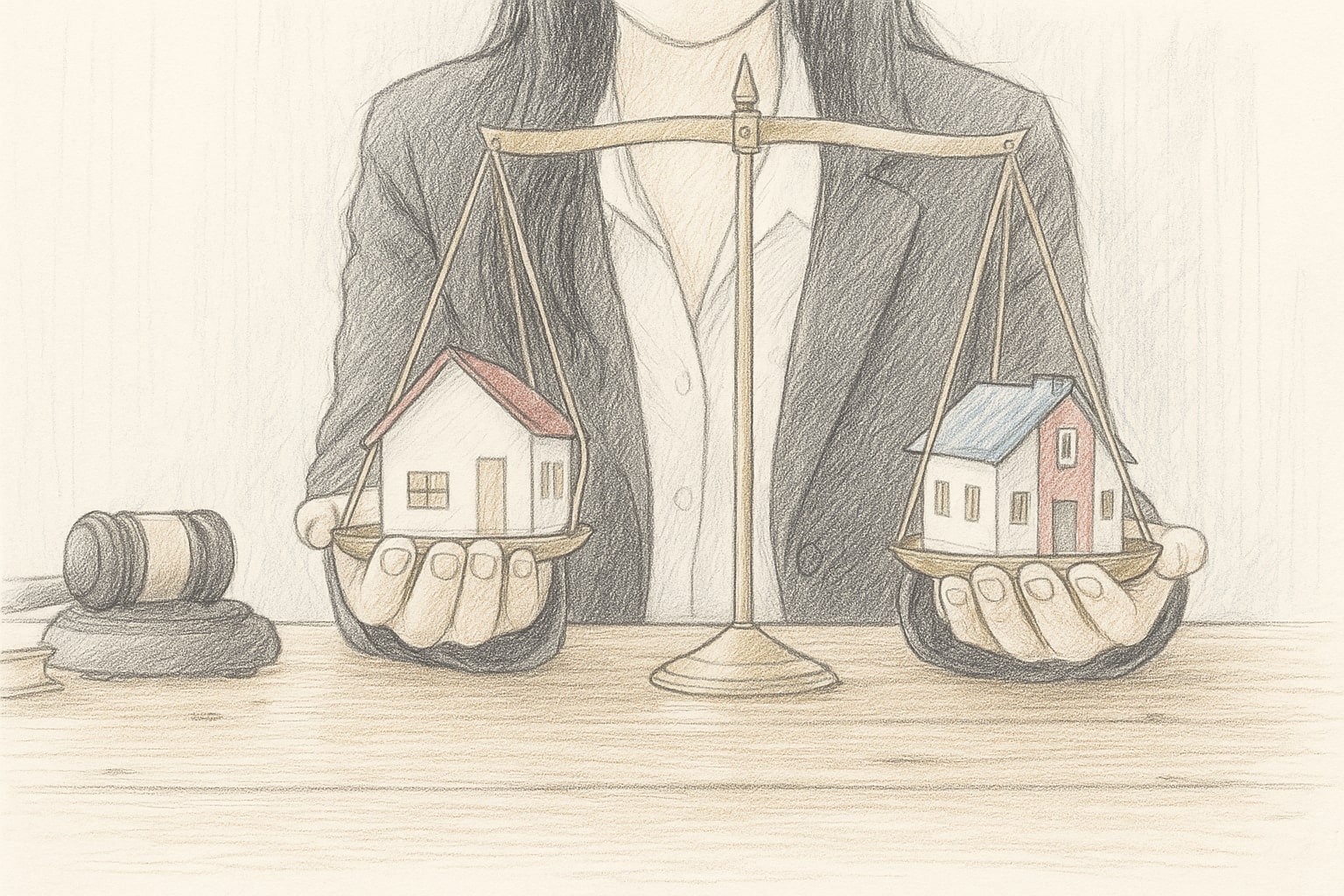
When buying real estate, one of the most important things to check is whether the property comes with any encumbrances. These are legal claims or limitations that could affect your ability to fully enjoy, use, or sell the property. In this guide, we’ll explain what encumbrances are, how to identify them, and how to protect yourself—using terminology and examples familiar to property transactions in English-speaking countries, while also clarifying how things are done in Serbia. 🏠
What Are Property Encumbrances? 🤔
In legal terms, an encumbrance is a claim, lien, or liability attached to real property that may affect its transferability or limit its use. In Serbia, these are officially recorded in the Real Estate Cadastre and specifically noted in the Encumbrance Sheet (G-list).
🔎 Common types of encumbrances include:
| Type of Encumbrance | What It Means |
|---|---|
| Mortgage | A lien held by a bank or lender until a loan is paid off. 🏦 |
| Easement (Službenost) | A right allowing others to use part of your property (e.g., a pathway). |
| Leasehold Interest | If the property is leased long-term, tenant rights must be respected. |
| Restriction on Sale | A legal condition preventing the sale or transfer without consent. 🚫 |
🛑 In Serbia, these encumbrances are listed in the “G-list”, one of three key parts of the property title record (along with the A-list for ownership and B-list for property description).
Why Should Buyers Care About Encumbrances? ⚠️
Encumbrances can create significant financial, legal, or practical problems if not discovered before the purchase. Here’s how:
- Loss of Use: An easement may prevent you from building a fence or developing part of the land.
- Unexpected Debt: If you buy a mortgaged property and the seller hasn’t repaid the loan, you might inherit the obligation.
- Restricted Resale: A court-imposed restriction could delay or block your ability to resell or mortgage the property.
💡 Buying a property without checking for encumbrances is like buying a car without looking under the hood.
How to Check for Encumbrances
In Serbia, property records are public. You can check a property’s status by requesting an Extract from the Real Estate Cadastre (List nepokretnosti), which includes:
- A-list – Ownership details
- B-list – Technical property description
- G-list – All encumbrances and legal restrictions
📊 Sample G-list Overview
| Encumbrance Type | Description | Status/Note |
|---|---|---|
| Mortgage | €50,000 loan, expires 2030 | Held by XYZ Bank |
| Easement | Right-of-way for neighbor | Unlimited duration |
| Sale Restriction | Pending court decision | In effect until judgment issued |
How Are Encumbrances Removed?
Removing encumbrances depends on the type:
- Mortgage: Paid off by the seller and formally discharged.
- Easement: Can sometimes be removed with consent of the easement holder.
- Legal Restrictions: Lifted once the court order or administrative issue is resolved.
💬 In Serbia, it’s common for buyers to require the seller to clear all encumbrances before signing the sale agreement.
Tips for Buyers ✅
- Always obtain the full property record from the Cadastre before finalizing a purchase.
- Consult with a legal expert or licensed real estate agent who can interpret the encumbrances.
- Negotiate removal of encumbrances in the purchase contract, or reconsider the purchase if risks are too high.
⚖️ In common law systems like the UK or US, title searches are performed by solicitors or title companies, often combined with title insurance—which is not common practice in Serbia.
How Encumbrances Differ Across Countries 🌍
| Serbia | UK/USA Equivalent |
|---|---|
| G-list (Encumbrance Sheet) | Title Register / County Recorder’s record |
| No title insurance system | Title insurance is standard in the US |
| Buyer checks with Cadastre | Buyer relies on solicitor or title company |
| Encumbrance affects ownership directly | Similar in principle, especially for mortgages and easements |
Conclusion: Work with a Real Estate Professional 🤝
Understanding and checking for encumbrances is essential for a safe property transaction. A professional agent or legal advisor can:
- Help you obtain and analyze the property title,
- Coordinate with the seller to remove or clarify any encumbrances,
- Protect your legal rights throughout the process.
📢 Don’t let someone else’s debt or legal issues become your burden. A safe purchase starts with full transparency.